A Department
Store Dream
in a Mausoleum
of Dignity
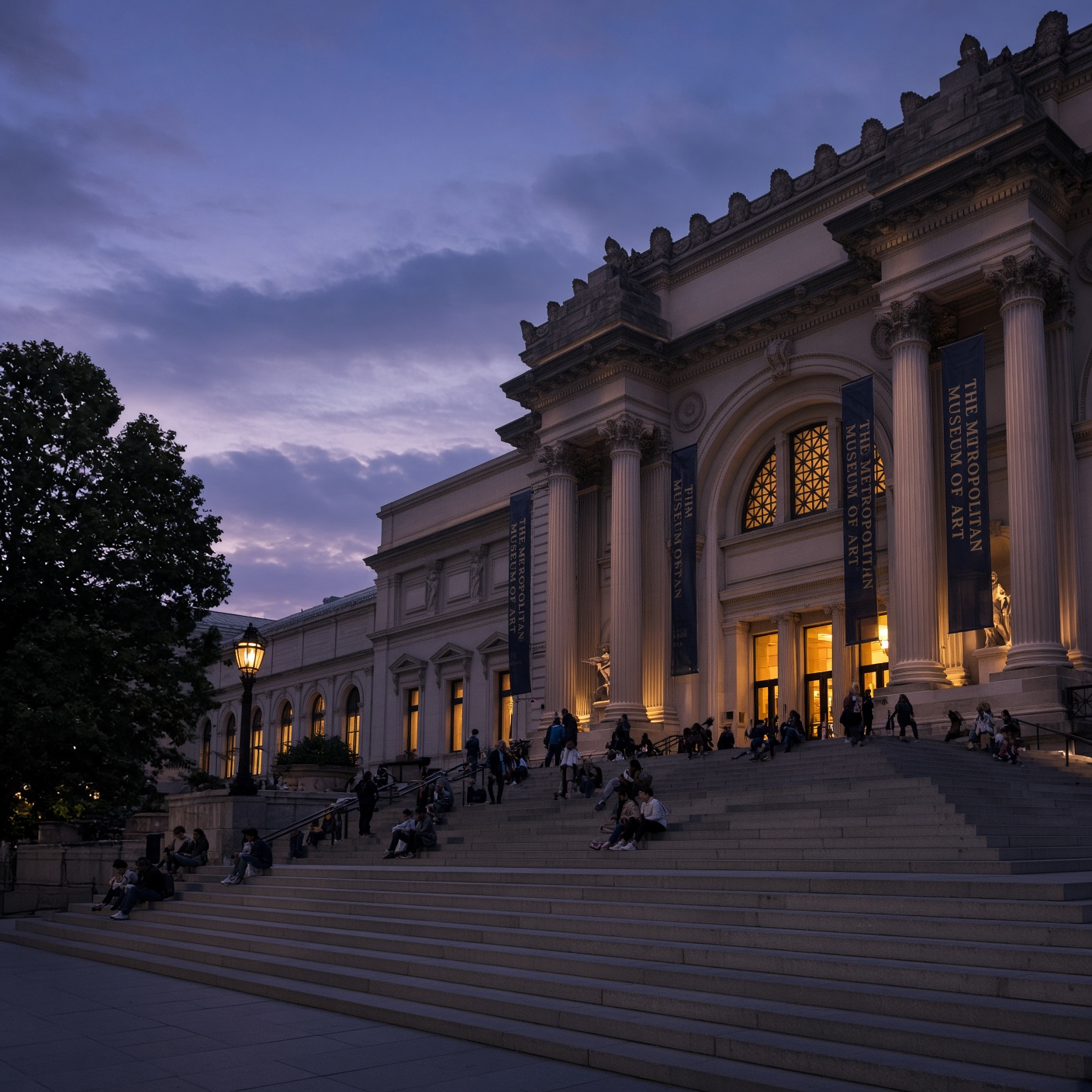
Picture, if you will, the grand steps of the Metropolitan Museum of Art swept clean of their pretensions and reborn as a gleaming emporium. What fun it would be — and how much more honest — than the circus tent that stands there now.
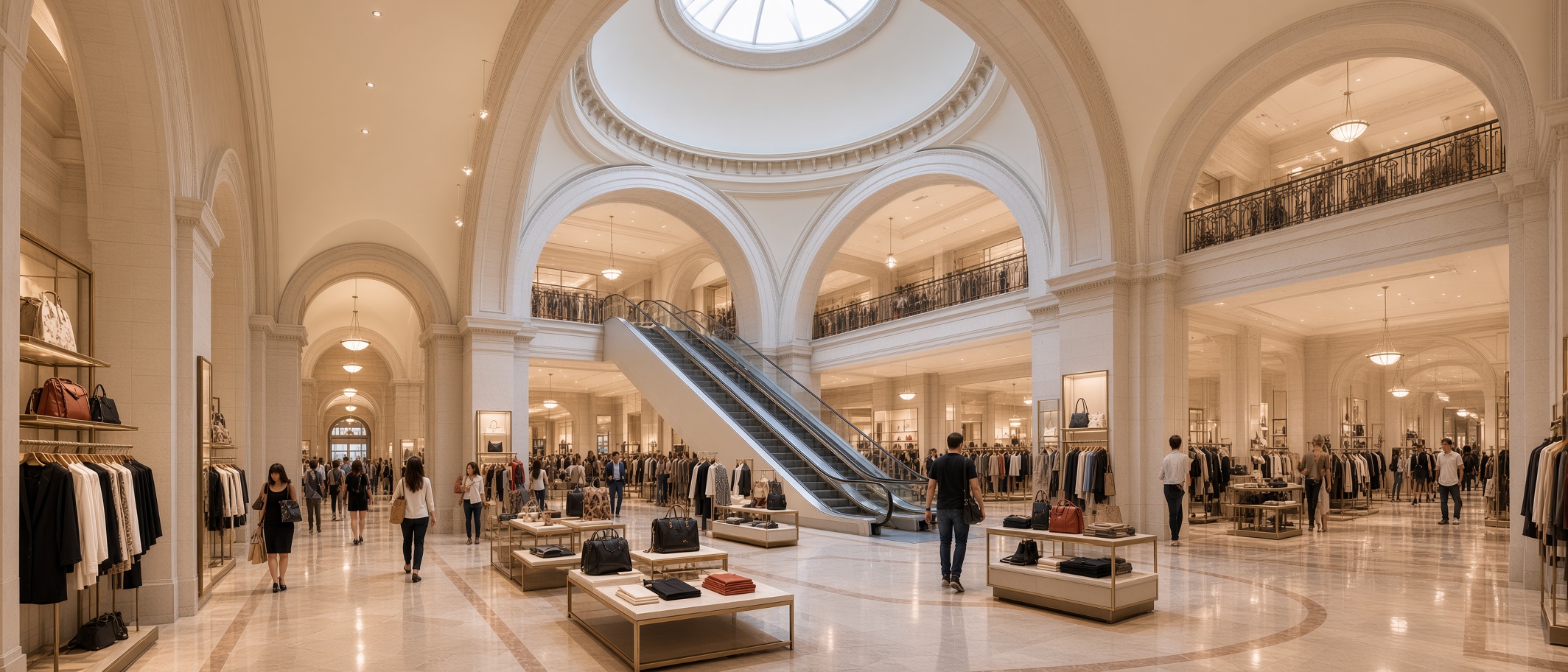
Picture, if you will, the grand steps of the Metropolitan Museum of Art, that crumbling Acropolis of Fifth Avenue, swept clean of its pretensions and reborn as a gleaming Macy's. Oh, what a splendid emporium it would make! The Great Hall, once a cavernous echo of self-important whispers, could host a perfume counter, where clouds of overpriced musk choke the air, each spritz a reminder of commerce's honest vulgarity. The Arms and Armor galleries? A sporting goods section, naturally—crossbows and chainmail swapped for yoga mats and over-engineered sneakers, the better to sprint from one sale to the next. The Costume Institute, that shrine to sartorial sanctimony, would make a fine home for off-the-rack evening gowns, their sequins winking at the proletariat who can't afford the Met Gala's velvet rope. And the Temple of Dendur? A food court, of course, with its ancient stones framing a Panda Express, where fortune cookies offer koans more profound than the museum's latest curatorial drivel. The American Wing could peddle patriotic kitsch—bald eagle mugs and star-spangled throw pillows—while the European Paintings galleries, stripped of their dour Madonnas, might stock artisanal cheeses, each wheel a more honest artifact of human labor than another rehashed blockbuster show.
What fun it would be to see the Met's marble halls, so long a stage for cultural posturing, reduced to the cheerful banality of consumer goods! A department store asks nothing of you but your wallet; it doesn't lecture you on "style" or "tailoring" while secretly charging you for the privilege of its own self-regard. But let us pause this retail reverie, for the reality is far bleaker, and the Met—along with all museums—has become a sadder, shabbier thing than any bargain bin could ever aspire to be.
The Great Rezoning
This is not curation; it is taxidermy — pinning a living tradition to a corkboard for the crowd to gawk at.
Twelve Twee Categories
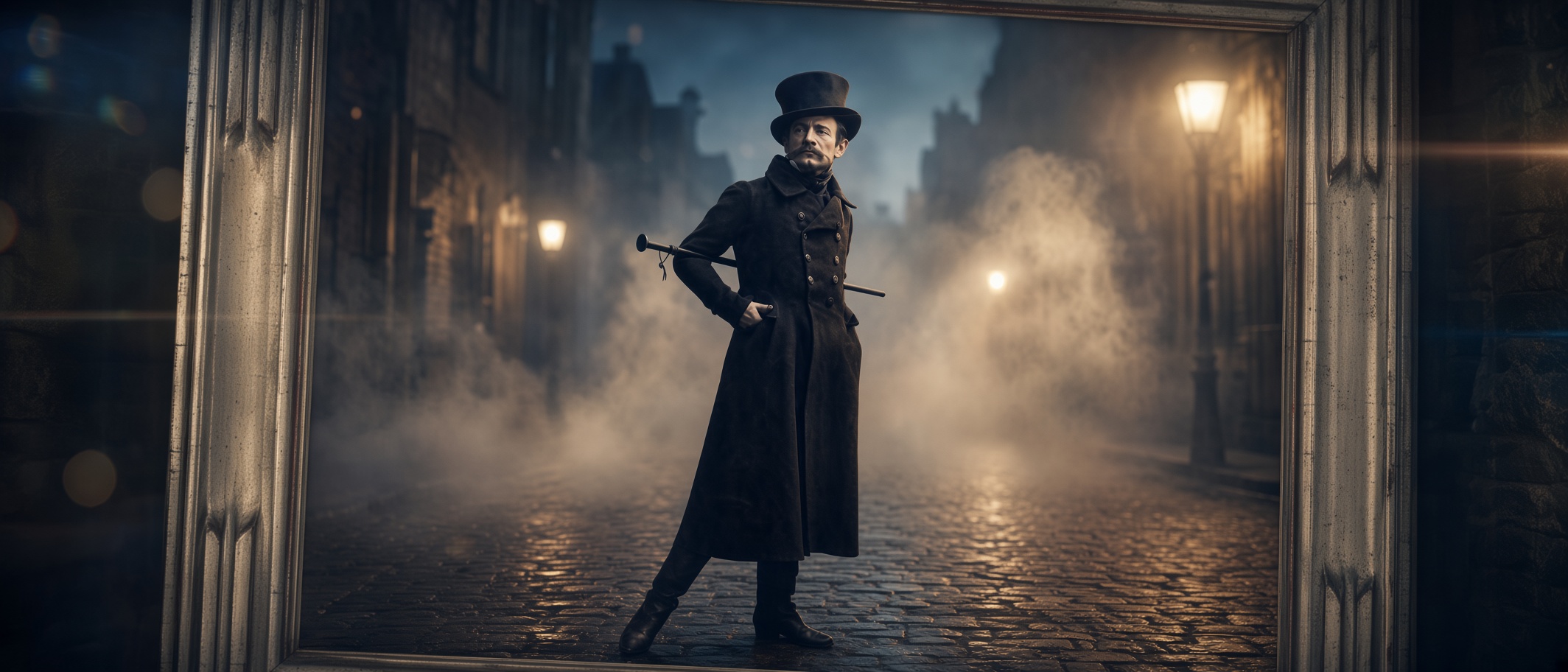
The Met, once a repository of human striving, now squats in its own decay, a circus tent masquerading as a temple. Its latest offering, Superfine: Tailoring Black Style, is a case study in institutional rot. Here we have Black dandyism, that magnificent act of dignity—men in zoot suits and Regency tailcoats defying the world's contempt with every crisp pleat—reduced to a PowerPoint of abstractions. "Style," the curators intone, as if a word so flaccid could capture the bulletproof resolve of a Julius Soubise or a Harlem strutter. "Tailoring," they add, as if the opulent craft of a dandy's suit can be boxed into twelve twee categories like "Respectability" or "Cosmopolitanism." This is not curation; it is taxidermy, pinning a living tradition to a corkboard for the Instagram crowd to gawk at, their likes as shallow as a puddle in a drought.
A Surrender, in Five Acts
A repository of human striving is chartered on Fifth Avenue.
The Dürer-inspired M is retired for a serif plucked from a dropdown.
Pay-what-you-wish ends for out-of-state visitors; $25 at the gate.
The fixed fee climbs to $30. The clink of coins gets louder.
Black dandyism arrives — and is filed under twelve headings.
The Logo, Too, Tells the Tale
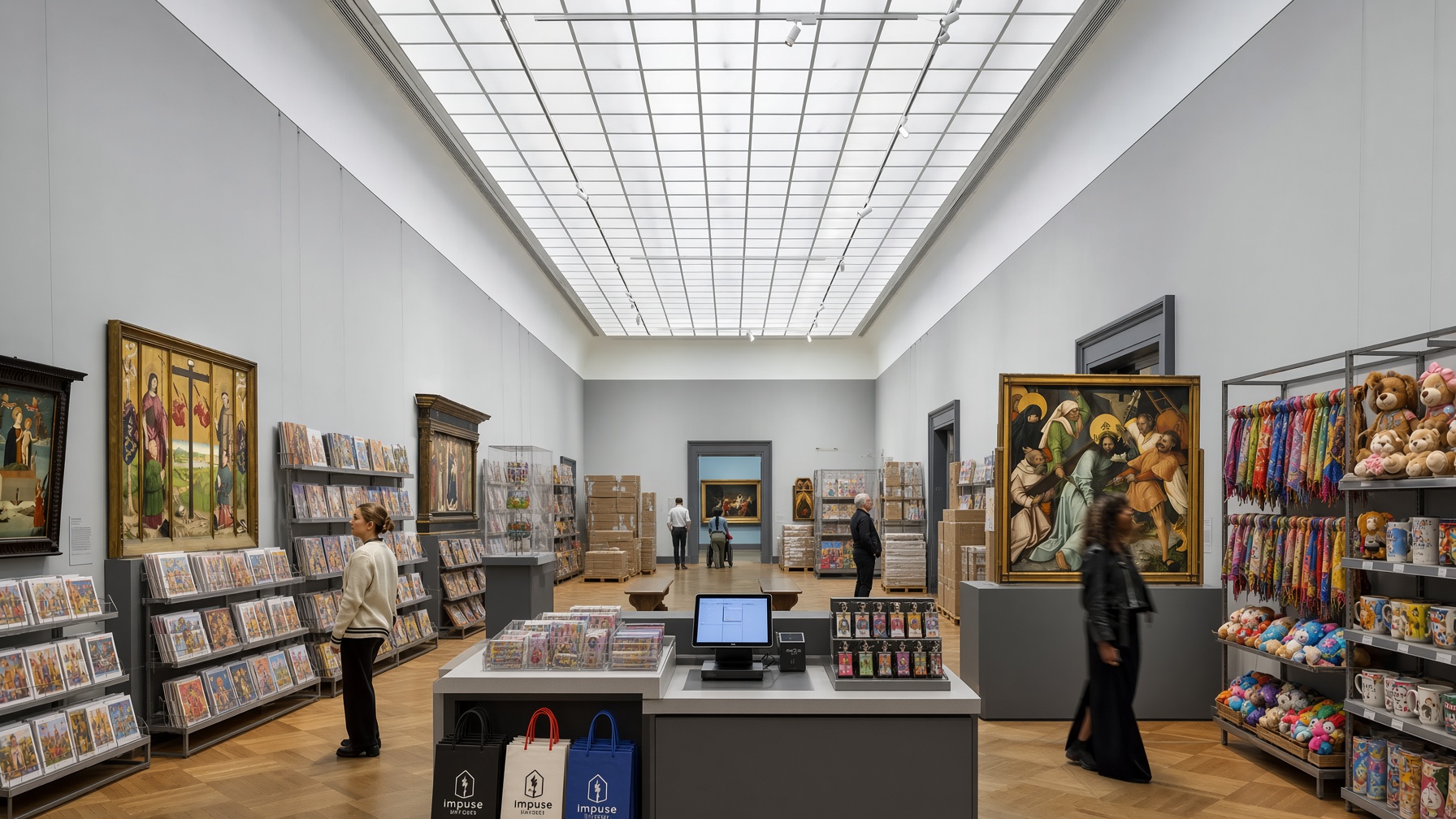
The Met's fall mirrors a broader malaise. Museums, those erstwhile cathedrals of the mind, have traded dignity for spectacle. The Met's abandonment of its "pay what you wish" policy for a fixed $25 toll—circus barking at its finest—signals a deeper surrender. Once, it trusted patrons to meet art on their own terms; now, it demands their fealty at the gate, the clink of coins drowning out the quiet hum of discovery. The logo, too, tells the tale: gone is the Dürer-inspired "M," a glyph of Renaissance proportion, replaced by a serif so bland it could have been plucked from a Microsoft Word dropdown. It's as if the Met, embarrassed by its own grandeur, has donned a polyester suit to blend in with the strip mall of modern culture. Across the globe, museums follow suit, churning out blockbuster shows and gift-shop trinkets, their halls less about awe than about foot traffic. The Louvre peddles Mona Lisa tote bags; the British Museum hawks Rosetta Stone coasters. Everywhere, the stench of elegant dung.
A Glyph of
Renaissance Proportion
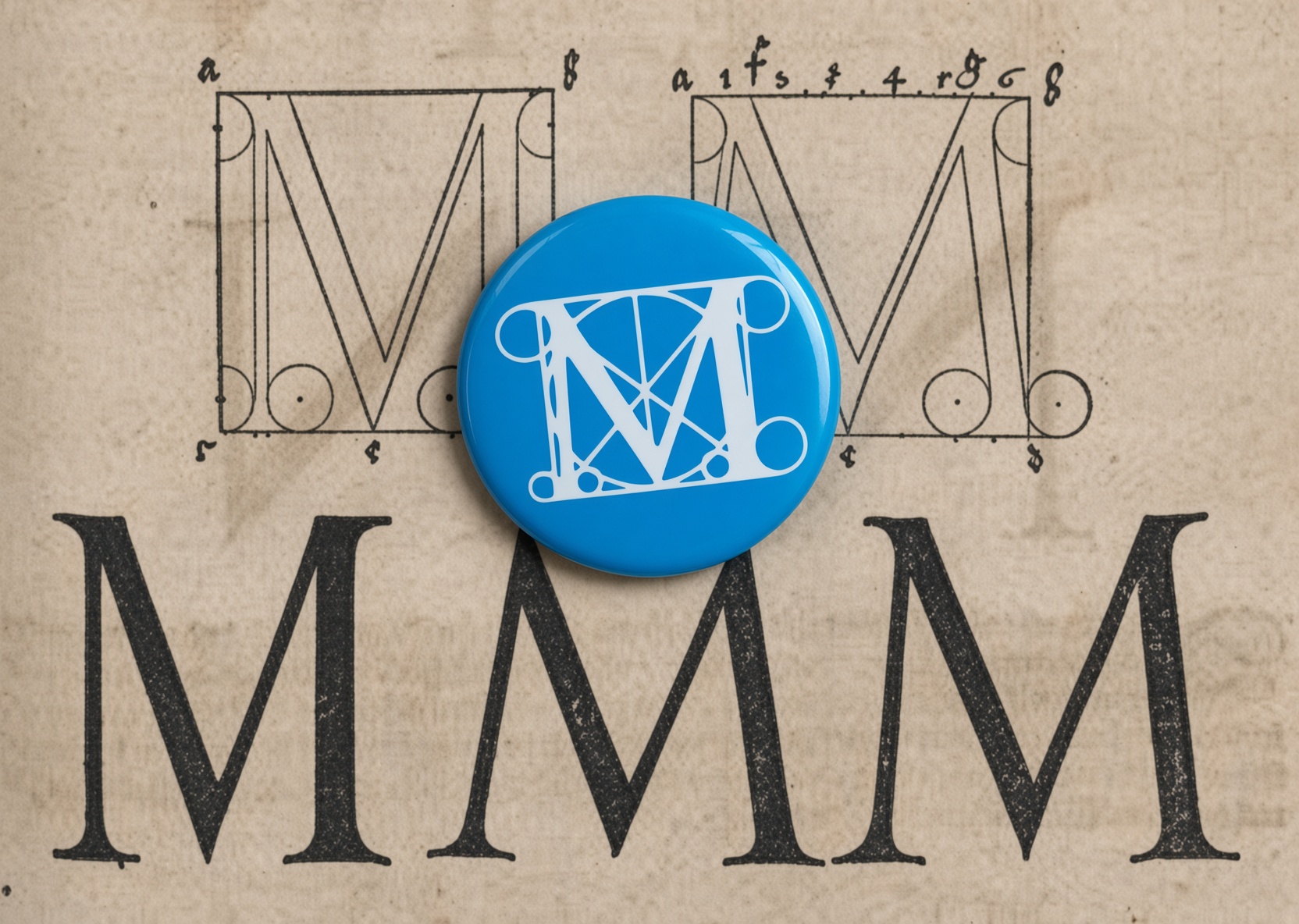
Five centuries of geometry folded into one letter: circles struck to find the serif, the diagonal held at the exact angle a hand can trust. It did not ask to be liked. It asked to be measured.

What the gate asks
pay what you wish
fixed toll
the raise
Spectacle vs. dignity
Elegant dung, itemized
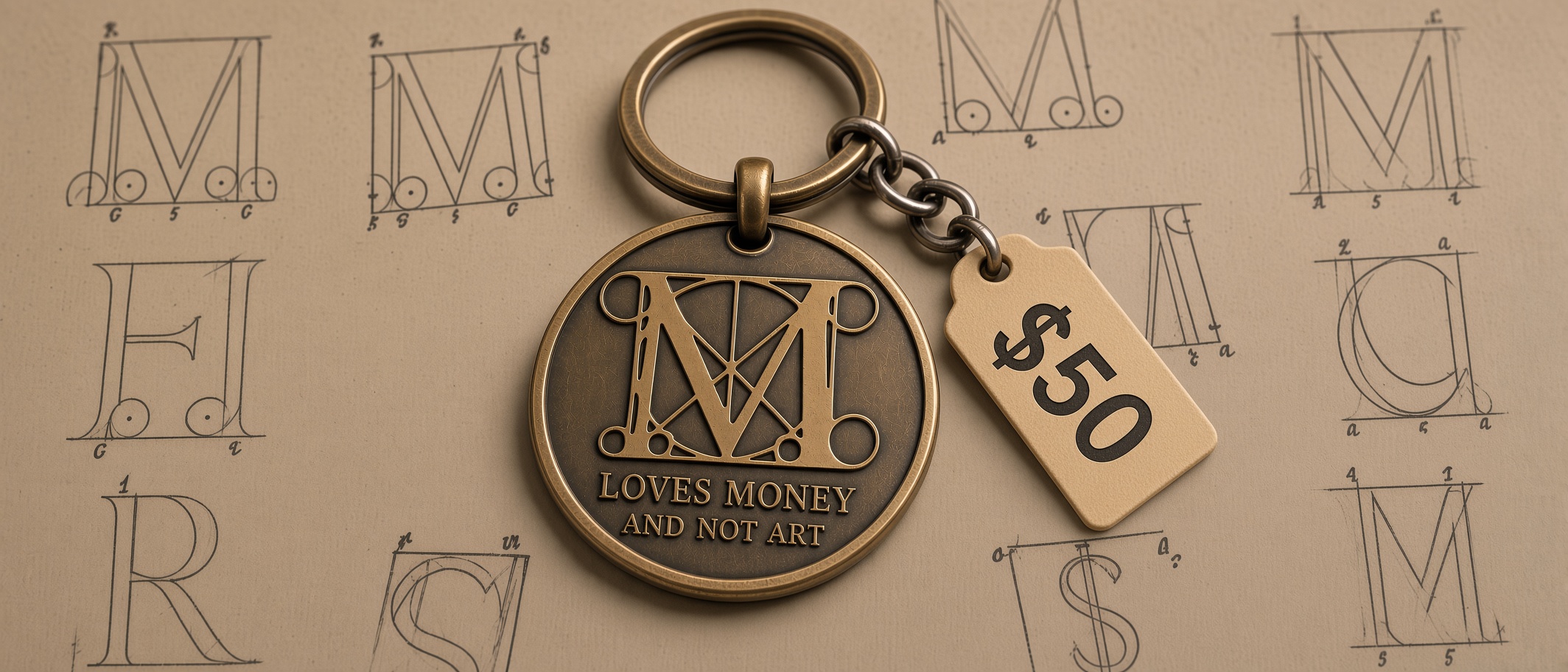
The Bleakness Is Moral, Not Merely Aesthetic
The bleakness of this state is not merely aesthetic but moral. Museums were meant to be places where dignity—the thoughtful authenticity of human creation—could breathe. A plumber's careful weld, a dandy's defiant cravat, a painter's anguished stroke: these are the artifacts of our shared worth. Yet the Met, like its peers, has forgotten this. It curates for the herd, not the soul, diluting the raw power of dandyism or a McQueen gown into narratives that sound profound but crumble under scrutiny. The result is a mausoleum, not a museum, where the dead are propped up for the living to applaud.
Let the Work Speak
And yet, a solution glimmers, though I offer it with the skepticism of one who knows hope is a fickle guest. Let the Met abandon its role as pedagogue, its compulsion to lecture and compel. Instead, let it trust the dignity of the work itself, amplified by those who cherish it most. Imagine Superfine reimagined, not as a curatorial thesis but as a conversation among peers—modern dandies like Dapper Dan, historians of the Harlem Renaissance, tailors who know the weight of a perfect seam. These voices, sharing the "sameness and not" of dandyism's legacy, could spark authentic awe, not the shallow likes of the popcorn-munching crowd. Let the work speak, as a zoot suit once spoke to a segregated street, or as a McQueen dress screamed from a runway. This peer-driven approach, rooted in the dignity of thoughtful craft, might broaden the Met's reach without diluting its soul—a ripple of impact, not a tsunami of hype.
Institutions, like empires, cling to their decay. The Met will likely continue its circus, charging per head, curating for the algorithm, and slapping serif fonts on its decline. Dignity, that force which held a dandy's world together, is a currency it no longer mints. And so we mourn, not just for the Met, but for all museums, their marble halls echoing with the hollow clatter of a culture that prefers the price tag to the pulse.