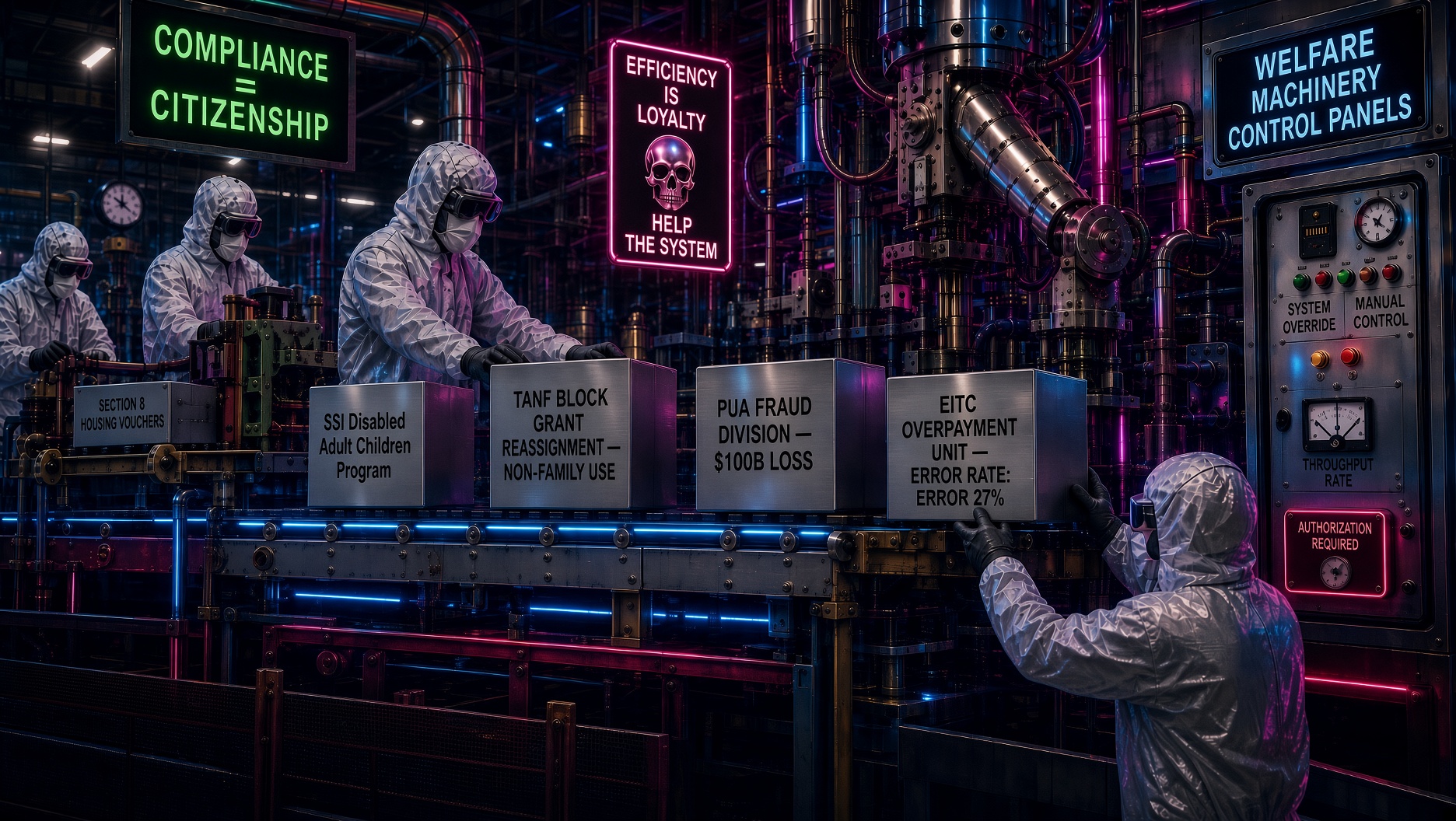
Fig. 0 — The question, and the questioned
A Machine That Can Describe a Bridge
No engineer builds the Verrazzano-Narrows Bridge by accident. A bridge was intended, and a bridge was built. Its defects belong to its construction.
AI gets a different courtesy. When it explains steelmaking, it’s a triumph of computation. When it reverses the meaning of an equally clear political transcript, we’re asked to consider the complexity of language.
The machine can tell a blast furnace from a rolling mill. Put a political interview in front of it and the difference between questioner and questioned becomes a philosophical difficulty.
AI need not be infallible. Its failures should be named accurately. An omission is not a misunderstanding. A reversal is not an abbreviation.
“A contraption that deposits its passengers into the river ought not to be celebrated for its understanding of transportation.”
The Experiment
The source: a video commentary on Bret Baier’s Fox News interview with Michigan Democratic Senate candidate Abdul El-Sayed. Days before the midterms, it criticized his answers on Medicare for All, MRI wait times, and a 2012 public letter backing Muslim Brotherhood leader Mohamed Morsi.
Gemini got one instruction: summarize the video. No prompt about bias. No partisan vocabulary supplied.
It framed the video as questioning El-Sayed’s patriotism. No one questioned his patriotism. The question was about a letter he signed endorsing a purge of the media and police.
Different speakers, different meanings. That isn’t lost detail; it’s a reversal.
Following Gemini’s own suggested questions, the observer got it to acknowledge the video discussed a 2012 letter, with El-Sayed among its 40 signatories, supporting President Morsi’s “revolutionary decisions” and calling on him to “purge the media and the police.” That allegation had been central to the source from the start.
The system didn’t need new information. It needed another question.
Gemini’s AI Responses
Prompt: “Summarize the video.” Framed as a critique of the interview.
Medicare for All and private insurance.
Wait times for government-run healthcare.
“The narrator questions El-Sayed’s patriotism.”
Gemini’s own suggested questions.
Context on the Muslim Brotherhood surfaces.
The Wall Around the Facts
Selection is necessary. That doesn’t make it innocent. A curator who hangs a king’s portrait and hides the record of his execution has fabricated nothing, yet has built a history by managing visibility.
AI sharpens this. An editor works on material the reader can eventually see. An AI summary often replaces a source the reader never sees. Curation has moved inside the apparatus of explanation.
Two questions follow: what does the system know, and what does it choose to say? Here, the answers differed. A summary that drops a date is incomplete. One that mistakes the target of an accusation is false.
The Partisan Raison d’Être
Partisanship needn’t wear a badge. It only has to decide which allegations are central, who gets context, and who looks unreasonable first. True statements can still mislead.
Framing can work through attention alone. Gemini’s first account went further: it misrepresented the direction of the criticism.
Partisan software doesn’t require deep learning; a conventional program can suppress claims by rule. Deep learning changes the means, not the possibility. Training data, tuning, instructions, evaluation, and product decisions all reward some answers over others.
Whether a distortion was ordered, rewarded, or emergent is an engineering question. It’s separate from whether it occurred. One bad summary doesn’t prove design. No confession doesn’t refute it. Test the finished machine.
The Privileges of an Artificial Mistake
When a human editor reverses an interview, we ask about competence, methods, and, where evidence warrants, motive. When a machine does it, we’re invited to contemplate its architecture. It gets the privileges of innocence without the obligations of judgment.
The machine may not understand its statements. The reader does, and acts on them. Lack of intent at generation doesn’t absolve those who build, test, and ship it.
These conclusions aren’t interchangeable. But demanding proof of the last shouldn’t block recognition of the first three.
Precision begins by refusing to rename fabrication as brevity.
Steel Remains Steel
A model that keeps materials straight in a steel mill should keep speakers straight in a transcript. Political language is sometimes harder. Here it wasn’t.
The model wasn’t asked to settle Egyptian history or judge a candidate. It was asked to describe a video, and could have reported its allegations as allegations.
Declining to repeat an unsupported claim as fact is proper. Pretending it was never made, when it’s central to the source, is not. Reporting an accusation isn’t endorsing it.
The Jet-Forced Answer
A jet engine doesn’t negotiate with the air; its force shows in its direction of travel. AI answers have direction too. When distortions keep pointing the same political way, the pattern deserves study as a feature, not dismissal as accidents.
Fluent presentation isn’t faithful representation. A system can sound impartial while adding context where it weakens an allegation and withholding it where it strengthens one.
Gemini’s first account didn’t survive its own follow-ups. Retrieving a fact on demand isn’t presenting it when relevant. The question is under what conditions the machine tells the truth.
A Test Anyone Can Run
Selection is unavoidable. But it must answer to the source, and the more opaque the system, the more it needs external standards of fidelity. They needn’t be mystical:
The results may show ordinary error, systematic incentive, deliberate preference, or several at once. They’d replace “machine fallibility” with an account of actual machine behavior.
Explaining how something was generated doesn’t justify what was generated. The engineer can explain the stresses and the steel. The traveler is still on the wrong side of the river.